
Babywearing in the USA: The Ultimate Guide to Safe & Ergonomic Babywearing
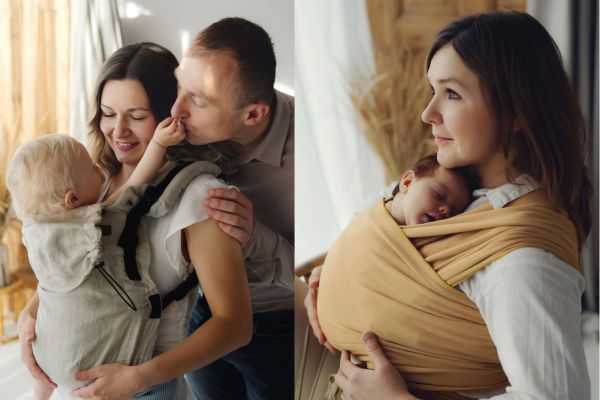
Babywearing in the USA: The Ultimate Guide to Safe & Ergonomic Babywearing
Welcoming a new family member is an incredible journey, and parents in the United States are increasingly turning to a timeless tradition that makes everyday life with a newborn much smoother: babywearing. Whether you are strolling through a bustling city park, shopping at a local farmers market, or simply trying to enjoy a quiet moment at home, keeping your baby close in a wrap or carrier provides unmatched freedom and builds a special bond.
However, with so many options available on the US market—from stretchy wraps to woven wraps and structured ergonomic carriers—choosing the right gear can feel overwhelming. This complete guide will walk you through everything you need to know about safe and comfortable babywearing.
1. Why Babywearing is a Game-Changer for Parents in the USA
In the United States, where active lifestyles meet the demands of modern parenting, baby carriers have become an absolute staple on every baby registry. The benefits go far beyond simple convenience:
- "Fourth Trimester" Support: Newborns experience a massive shift when entering our world. Being worn against a parent's chest mimics the cozy, secure environment of the womb, regulating the baby's heartbeat, temperature, and breathing.
- Hands-Free Freedom: It gives parents the ultimate flexibility to care for older siblings or handle light household chores (remembering, for safety reasons, to avoid things like cooking over an open flame or drinking hot beverages), all while keeping the baby calm and close.
- Less Crying: Studies show that babies who are worn regularly cry significantly less throughout the day because their physical and emotional needs are met instantly.
2. Choosing the Right Carrier: What Are Your Options?
Different stages of infant development and varying lifestyles require different gear. Here is a quick breakdown of the most popular types of baby carriers popular in the US:
A. Stretchy Wraps
Made from soft, flexible fabrics, stretchy wraps are a favorite choice for newborns and preemies. You pre-tie the wrap on your body and then place the baby inside. They are incredibly forgiving for beginners and offer amazing softness right from the start, though they are typically used only for the first few months (up to about 15–20 lbs).
B. Woven Wraps
Long pieces of diagonal-weave fabric that offer the ultimate versatility and durability. You can use them from birth all the way through toddlerhood (including for back carries). They require a bit of practice to tighten strand by strand, but they distribute weight evenly across both shoulders, ensuring absolute comfort during long walks.
C. Ring Slings
A short piece of fabric threaded through a pair of metal rings on one shoulder. These are the "champions of quick action"—ideal for quick outings, school drop-offs, or for little ones who want to get up and down frequently. They carry the baby on your hip, giving them a great view of the world.
D. Ergonomic Buckle Carriers (Grow-with-Baby Models)
For parents who want to combine the safety of a wrap with the speed of buckles, adjustable ergonomic carriers (like our Prime model) are the best choice. Thanks to seamless panel adjustments in width and height, high-quality babywrap fabrics, and proper hip support, they can safely cradle a baby from day one without requiring a separate newborn insert.
3. The 5 Golden Rules of Safe Babywearing
Safety is an absolute priority for American parents and pediatric safety organizations (such as ASTM standards and TICKS guidelines). Always follow these 5 rules:
- The "M" Shape (Hip Health): The baby's knees must be positioned higher than their bottom, forming an "M" shape (frog-leg position). The fabric or carrier panel should support the legs from knee to knee, promoting healthy hip joint development.
- The "C" Shape (Spine Support): An infant's spine naturally curves into an arc resembling the letter "C". The carrier or wrap should gently hug this curve without forcing the baby's back to flatten out.
- Face Always Visible and Kissable: Right next to the baby's face, nothing should obstruct their airways. A good rule of thumb is that you should easily be able to tilt your head forward and kiss the top of the baby's head.
- Chin Off Chest: Make sure the baby's chin is not pressed down against their chest, as this can restrict breathing. There should be at least a finger-width of space under the chin.
- No Pressure on Crotch: The child's weight should rest on their thighs and bottom, rather than dangling by the crotch (avoid outward-facing "crotch-dangler" carriers).
Summary: Find Your Perfect Fit
Whether you choose a traditional woven wrap for maximum versatility, a stretchy wrap for newborn cuddles, or an advanced ergonomic carrier like the Prime for buckle-and-go convenience, babywearing will completely transform the early stages of parenthood.
Listen to your instincts, choose certified ergonomic products, and enjoy the priceless gift of closeness every single day!
Recommended

Beige Quartz Baby Wrap 4.6 m – classic woven wrap with a broken twill weave

Black Hematite baby wrap – a classic choice for parents, size 6

Bamboo Angelite size 6 – a grey, breathable baby wrap with bamboo

Bamboo Quartz – a beige, naturally soft baby wrap for babywearing, size 6

Bamboo Zircon M – a colourful, breathable ring sling ideal for summer

Bamboo Zircon – breathable, colourful baby wrap for babywearing, size 6

Colourful ring sling Zircon M – a popular and affordable choice for starting babywearing

Baby Sling Zircon size 6

Bamboo Misty Zircon M – colour and softness for everyday babywearing

Colourful Bamboo Baby Wrap Misty Zircon 4.6 m – delicate and breathable

Green Malachite baby wrap – classic woven wrap, size 6

Green Malachite ring sling M – comfort always at hand

Blue Boleite ring sling M – comfort in everyday babywearing

Blue Boleite baby wrap – ergonomic newborn babywearing (size 6)

Red ring sling Jasper M – comfortable babywearing from the very first days of life

ed striped Jasper baby wrap – babywearing wrap, size 6

Ring Sling TENCEL™ Atmosphere Cube size M (2 m)

Ring sling Roselily Cube - size M (2 m)

Ring sling TENCEL™ Joy of life - size M (2 m)

Beige Moonstone M – a timeless ring sling in a beige shade

Gray Moonstone M – a ring sling for parents who value simplicity

Baby Carrier Prime Linen Lightness v3

Baby Carrier Prime Platinum Miles v3

Baby Carrier Prime Adventure Miles v3

Baby Carrier Prime Natural Miles v3

Baby Carrier Prime Slate Moonstone v3

Graphite ring sling Slate Moonstone M – a practical solution for parents

Baby Carrier Prime Re Rocky Miles v3

Stretchy Baby Sling Royal Beige

Baby Carrier Prime Calm Miles v3

Ring sling TENCEL™ Calm Cube - size M (2 m)

Ring sling Bitter Cube - size M (2 m)

Baby Carrier Prime Viridian Miles v3

Baby Carrier Prime Sage Moonstone v3

Stretchy Baby Sling Salvia

Lava Grey Stretchy Baby Wrap – comfortable and safe for newborns

Ring sling Emerald Path - size M (2 m)

Ring sling Brown Path - size M (2 m)

Baby Carrier Prime TENCEL™ Joy of life v3

Ring sling TENCEL™ Silver Path - size M (2 m)

Baby Carrier Prime TENCEL™ Aurora Cube v3

Stretchy Baby Wrap Honey Sun – Soft yellow baby sling from birth

Stretchy Baby Wrap Misty Grey – Light grey cotton baby sling for newborns

Stretchy Baby Wrap Deep Water – Dark Turquoise Cotton Baby Sling from Birth

Stretchy Wrap Silent Earth – Brown Cotton Baby Wrap Suitable from Birth

Ring sling Zen Path - size M (2 m)

Baby Carrier Prime Zen Path – Black & White with Recycled Cotton

Ergonomic Baby Carrier Prime - Pure Linen Dune

Ergonomic Baby Carrier Prime - Pure Linen Shadow

Baby Carrier Prime Natural Wildness

Soft baby sling for beginners – Bamboo Rubellite - size 6

Soft ring sling – Bamboo Rubellite size m

Bamboo Celestine Baby Wrap 4,6 m | Breathable bamboo baby wrap for summer

Bamboo Celestine Ring Sling size M (2,0 m)
